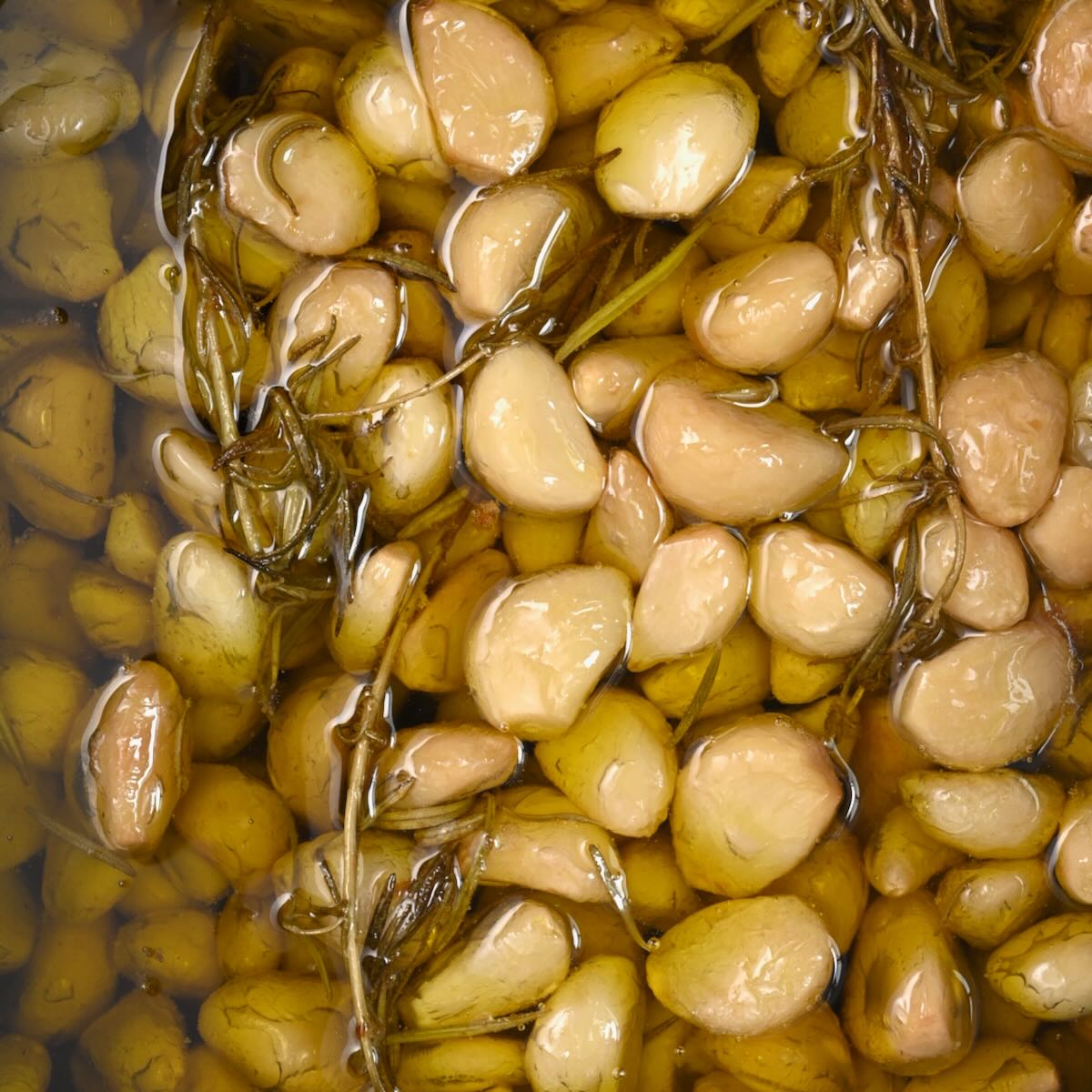
How to Make Garlic Confit: Sweet, Buttery, and Versatile
Imagine garlic transformed: no longer sharp and pungent, but incredibly soft, subtly sweet, and wonderfully buttery, melting in your mouth and lending its mellow magic to countless dishes. This culinary dream is known as garlic confit, a simple yet profoundly rewarding preparation that every home cook should master. If you've ever wondered how to make garlic confit, you're in the right place. This guide will walk you through the process, revealing the secrets to creating this versatile ingredient that promises to elevate your cooking from the everyday to the extraordinary.
What Exactly is Garlic Confit? The French Secret to Mellow Garlic
At its heart, confit is an ancient French cooking and preservation technique. The word "confit" itself derives from the French verb "confire," meaning "to preserve." Traditionally, it involves slowly cooking food, most famously duck legs, in its own fat until it becomes incredibly tender and flavorful. For vegetables like garlic, this method translates to gently simmering garlic cloves in a generous bath of olive oil until they are completely tender and infused with an unbelievably nuanced flavor.
This low and slow cooking process is key. Unlike roasting, which can caramelize and even char garlic, confit cooking ensures the garlic cloves remain pale, soft, and un-browned. This gentle heat works wonders, transforming the typically assertive and pungent raw garlic into something truly special: a delicate, almost sweet delicacy with a rich, buttery texture that's easily spreadable. The sharpness is replaced by a deep, complex, yet mellow garlic essence, making it an indispensable secret weapon in your kitchen arsenal. It's a preparation that not only preserves the garlic but fundamentally enhances its character, inviting you to Simple Garlic Confit: From Pungent to Sweet & Spreadable.
Why Make Garlic Confit? The Benefits Beyond Basic Garlic
While the transformation from pungent to mellow is reason enough, the advantages of having a jar of homemade garlic confit on hand extend far beyond mere flavor:
- Unrivaled Flavor Profile: The confit process mellows the garlic's characteristic bite, bringing out its natural sweetness and a subtle, nutty undertone. It's garlic in its most sophisticated form, offering depth without harshness.
- Irresistible Texture: The cloves become incredibly soft and tender, almost jelly-like, making them effortlessly spreadable or easily mashed into other ingredients. This buttery texture is a game-changer.
- Remarkable Versatility: Garlic confit is a culinary chameleon. It can be spread on toast, mashed into potatoes, stirred into pasta, blended into soups and stews, or even used as a base for marinades and dressings. Its gentle nature means it can enhance a dish without overpowering it.
- Convenience and Time-Saving: Once made, garlic confit is ready to use at a moment's notice. It turns a usually active step in cooking (mincing or crushing fresh garlic) into a simple scoop, significantly speeding up meal prep, especially for dishes that call for a lot of garlic.
- Flavor-Infused Oil: The olive oil itself becomes a treasure. Infused with the essence of garlic and any added herbs, this fragrant oil can be repurposed for salad dressings, dipping bread, sautéing vegetables, or finishing dishes, adding an instant boost of gourmet flavor.
- Excellent Storage: Prepared correctly and stored safely, garlic confit keeps well in the refrigerator, allowing you to enjoy its benefits for weeks.
Essential Ingredients for Perfect Garlic Confit
One of the most appealing aspects of learning how to make garlic confit is the simplicity of its ingredient list. You don't need exotic items; just quality staples that allow the garlic to shine.
- Garlic: This is, of course, the star! For a good batch, plan for about 3 cups of peeled garlic cloves, which typically translates to 6 to 8 full heads of garlic. While peeling can be a bit tedious, it's worth it for the fresh flavor. If short on time, pre-peeled garlic can be an option, but ensure it's fresh, free from additives, and ideally sourced ethically. Freshly peeled garlic will always yield the best flavor.
- Extra-Virgin Olive Oil: The quality of your olive oil matters here, as it's not just a cooking medium but a key flavor component and preservative. You'll need enough to completely submerge all the garlic cloves. A good quality extra-virgin olive oil will impart a beautiful fruity and peppery note to the confit and the infused oil.
- Fresh Herbs (Recommended): While optional, fresh herbs like sprigs of rosemary, thyme, and a bay leaf or two significantly enhance the confit's aroma and flavor. Their earthy notes complement the garlic beautifully. Always opt for fresh over dried herbs for maximum impact.
- Crushed Red Pepper Flakes (Optional): For those who enjoy a subtle warmth, a pinch of red pepper flakes adds a lovely, understated heat that doesn't overpower the garlic's sweetness. Feel free to adjust the amount or omit it entirely if you prefer no spice.
- Salt (Optional but Recommended): A tiny pinch of sea salt can surprisingly enhance the garlic's natural flavors, bringing out its sweetness and complexity without making it overtly salty.
Step-by-Step Guide: How to Make Garlic Confit
The process of how to make garlic confit is wonderfully straightforward, requiring minimal active time and rewarding you with incredible results. You can use either a stovetop or an oven, both yielding equally delicious outcomes.
Method 1: Stovetop Garlic Confit
- Prepare the Garlic: Peel all your garlic cloves. A useful trick for easier peeling is to smash each clove lightly with the side of a chef's knife; the skin should slip off easily.
- Combine Ingredients: Place the peeled garlic cloves, fresh herbs (if using), red pepper flakes (if using), and a pinch of salt (if using) into a small, heavy-bottomed saucepan or oven-safe pot.
- Add Olive Oil: Pour in enough extra-virgin olive oil to completely submerge all the garlic cloves and herbs. This is crucial for proper confit and safe storage.
- Gentle Heat: Place the saucepan over the lowest possible heat setting on your stovetop. The goal is a very gentle simmer, with tiny bubbles occasionally surfacing. You do not want the oil to fry or vigorously bubble, as this will brown the garlic and make it bitter.
- Cook Slowly: Let the garlic confit cook for approximately 45 minutes to 1.5 hours, or until the cloves are incredibly tender when pierced with a fork but have not taken on any color. Stir occasionally to ensure even cooking.
Method 2: Oven-Baked Garlic Confit
- Prepare and Combine: Follow steps 1-3 from the stovetop method, placing your garlic, herbs, spices, and oil in a small, oven-safe dish or ramekin.
- Preheat Oven: Preheat your oven to a low temperature, typically between 250°F and 300°F (120°C to 150°C). The exact temperature can vary slightly depending on your oven's calibration.
- Bake Slowly: Place the dish in the preheated oven and bake for 60 to 90 minutes, or until the garlic cloves are golden, buttery soft, and easily mashed with a fork. Again, avoid browning.
Once cooked, whether on the stovetop or in the oven, remove the confit from the heat and allow it to cool completely in the oil before transferring to storage.
Tips for Success and Safe Storage
Mastering how to make garlic confit involves a few key considerations for both quality and safety:
- Maintain Low Heat: This is perhaps the most important tip. High heat will fry and brown the garlic, making it bitter and losing the desired confit texture. Go low and slow!
- Submerge Completely: Always ensure the garlic cloves are fully submerged in olive oil throughout the cooking and storage process. This is vital for safety and flavor.
- Choose Fresh Garlic: The fresher your garlic, the better the final confit will taste. Avoid any cloves that show signs of sprouting or mold.
- Cool Thoroughly: Let the garlic confit cool completely to room temperature before transferring it to a storage container.
- Proper Storage: Store the garlic confit (cloves and oil together) in a clean, airtight glass jar in the refrigerator. Ensure the cloves remain completely covered by the oil.
- Shelf Life and Safety: Due to the anaerobic environment created by garlic submerged in oil, there is a risk of botulism if not handled correctly. Garlic confit should be stored in the refrigerator and consumed within 2 weeks. Do not store at room temperature. If you wish to extend its shelf life further, consider freezing portions of the confit in ice cube trays or small containers, which can last for several months. Always discard if you notice any off smells, mold, or unusual discoloration.
- Repurpose the Oil: Don't forget the infused oil! Strain out the herbs (if desired) and use it in salad dressings, for dipping crusty bread, drizzling over roasted vegetables, or anywhere you'd use a flavorful olive oil.
Unlocking Culinary Potential: Ways to Use Your Garlic Confit
Once you've made your batch of sweet, buttery garlic confit, the culinary possibilities are endless. It's truly a game-changer that encourages you to Elevate Your Cooking with Homemade Garlic Confit.
- Spread it: Simply spread the soft cloves onto warm crusty bread, toasted baguettes, or crackers. A sprinkle of flaky sea salt elevates this simple pleasure.
- Mash it: Stir whole or mashed confit cloves into mashed potatoes, creating an incredibly rich and flavorful side dish. It's also fantastic mashed into avocado for a gourmet toast topping.
- Sauté and Stir: Add a few cloves and a spoonful of the infused oil to pasta sauces, risottos, scrambled eggs, omelets, or stir-fries for an instant depth of flavor.
- Roast and Grill: Toss confit cloves with roasted vegetables (like asparagus, broccoli, or bell peppers) or place them on top of grilled meats and fish.
- Soups and Stews: Stir a spoonful into your favorite soups, stews, or chili for a rich, aromatic boost.
- Dressings and Marinades: Use the infused olive oil (and even some mashed cloves) as a base for vinaigrettes, marinades for chicken or fish, or as a flavorful finishing oil for almost any dish.
- Garlic Butter: Mash confit cloves into softened butter to create an exquisite garlic butter for spreading on corn on the cob, garlic bread, or melting over steak.
Learning how to make garlic confit is more than just following a recipe; it's about unlocking a new dimension of flavor and convenience in your kitchen. This sweet, buttery, and incredibly versatile ingredient promises to transform your everyday meals into culinary delights. With minimal effort and a little patience, you'll have a jar of golden goodness ready to elevate countless dishes. So, gather your garlic and oil, and prepare to embark on a delicious journey!
